Dogs Occiput: 5 Important Tips to Keep Your Dog Safe

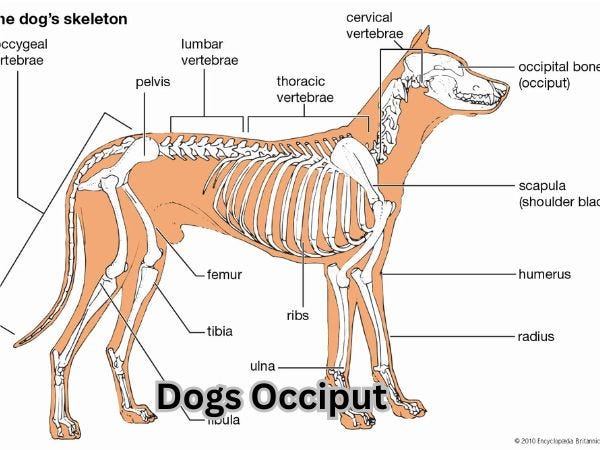
Have you ever noticed the small bump at the back of your dog’s head and wondered what it’s for? As pet owners, we often pay close attention to wagging tails and floppy ears but overlook the unique features that play a vital role in our dog’s well-being. The dogs occiput may look like a simple part of your furry friend’s skull, but it’s actually an important clue to their health and safety. Whether you’re a seasoned dog parent or caring for a curious new pup, understanding this area can help you keep your canine companion comfortable and protected.
In this article, we’ll uncover five important tips to ensure your dog stays safe and happy, starting from head to tail. Let’s explore how a little knowledge about the occiput can make a big difference in your dog’s life.
What Is the Occiput in Dogs?
The occiput is the small, bony bump at the back of your dog’s head, where the skull meets the neck. You might notice it more in some breeds than others—especially in ones like Labradors, German Shepherds, or Boxers. It’s a normal part of their anatomy and is often called the “knowledge knot” because of its distinct shape.
The occiput protects the brain, anchors neck muscles, and helps your dog move its head. For pet owners, paying attention to this area can offer insights about your dog’s health and comfort.
Tip 1: Get Familiar with Your Dog’s Occiput
Spend time gently feeling the back of your dog’s head during play or grooming. Knowing what’s normal will help you spot changes like swelling or tenderness.
Use gentle petting and scratch behind the ears, moving your hand over the bump.
Notice its size and firmness. It should feel like a small, hard bump covered by skin and maybe some fur.
All dogs have one, but size and shape vary between breeds and individuals.
Getting familiar with the occiput helps you notice if something unexpected appears, like a lump or swelling.
Tip 2: Watch for Occiput Injuries and Swelling
Active dogs love to play, but sometimes they bump their heads. The occiput is usually well-protected, but injuries can still happen.
Signs of trouble include sudden swelling, pain, or changes in behavior.
Dogs with head injuries might act sleepy, avoid touch, or cry when the head is petted.
Sometimes, ticks or insects can bite this area and cause irritation or infection.
If you see bleeding, swelling, or your dog seems bothered by the occiput, call your vet. Fast action keeps small problems from becoming big ones.
Tip 3: Understanding Lumps and Bumps on the Occiput
Not all bumps mean something is wrong. Sometimes the occiput just stands out a bit more as dogs get older or lose weight.
However, if a new lump pops up or the occiput suddenly seems bigger, it’s time to check closely:
Run your fingers over the area while grooming.
Watch for other symptoms like loss of balance, loss of appetite, or mood changes.
If the bump feels soft, gets bigger, is hot, or your dog is sensitive to touch, call your vet.
Sometimes, lumps can be harmless fatty tumors, but other times they point to infections or other issues. A vet can tell the difference and suggest the next steps.
Tip 4: Proper Grooming and Parasite Control
Ticks and fleas love to hide in warm, less-visible spots, and the occiput is a favorite location. Keeping this area clean and monitored is important.
Brush around your dog’s head gently at least once a week.
Part the fur and check for little lumps or insects hiding under the coat.
Clean the area after muddy walks or when your dog has been playing with other pets.
Ask your vet about safe parasite control methods, such as tick preventatives or collars. This not only keeps the occiput healthy but helps your dog avoid other health issues.
Tip 5: When to See the Vet
Most dogs go through life without ever having a problem with their occiput. But knowing the warning signs will give you peace of mind.
Take your dog to the vet if you notice:
The occiput is suddenly swollen or painful.
Your dog cries or pulls away when you touch the back of the head.
There is an open wound, oozing, or your dog can’t hold its head steady.
Your dog seems off balance, confused, or you notice changes in their walk.
Your vet might do a physical exam and suggest tests like x-rays. In rare cases, surgery or medicine may be needed, but often, just a little extra care is all it takes.
Relatable Scenarios: Why Owners Should Care
Imagine you’re brushing your Labrador and notice a new bump just behind his ears. At first, you think it’s nothing, but remembering how important it is to check the occiput, you keep an eye on it. A day later, your pup seems a little less playful. You call the vet, and catch a minor infection early.
Or, your energetic shepherd comes bounding into the house after a run and bops her head on the table. She seems fine but later acts a bit sluggish. Knowing about occiput injuries, you check her head and decide to call the vet just in case.
Caring for your dog’s occiput helps you catch little problems before they turn into big ones. This simple habit shows your pet how much you care.
Bonus: Occiput Differences Between Breeds
Some dogs have a more pronounced occiput—that is, a more visible bump—than others. For example:
Labradors and Boxers: The bump is usually obvious and might seem bigger, but this is normal.
Poodles and Spaniels: The occiput is there, but longer hair may hide it.
Mixed breeds: Size and shape can vary a lot.
It’s good to remember these differences so you know what’s normal for your specific dog.
Key Takeaways to Keep Your Dog’s Occiput Safe
Check the occiput when you brush or pet your dog, and get to know what feels normal.
Watch for unusual lumps, bumps, or swelling.
Keep fur clean and free of ticks or fleas, especially around the head.
Take any injuries or odd behavior seriously—better safe than sorry.
Always consult your vet if you are unsure.
Quick Action Steps for Dog Owners
Here’s how to keep your dog’s occiput safe, happy, and healthy:
Add occiput checks to your regular grooming routine.
Use positive words and treats so your dog relaxes during checks.
Stay calm and gentle, especially if your dog seems nervous.
Keep a simple journal or phone note of any changes you notice.
Trust your gut—if something looks or feels wrong, call your vet!
Frequently Asked Questions
Q: My dog has a big bump on her head, but she seems fine. Should I worry?
A: Likely not, especially if your dog has always had it or if it appeared with age. But if it’s new, changing, or painful, check with your vet.
Q: My puppy’s occiput sticks out a lot—is something wrong?
A: Some breeds just have a prominent occiput. It’s usually nothing to worry about unless there are other signs of pain or illness.
Q: Can a bump appear if my dog plays rough?
A: Yes, sometimes the occiput can get a minor injury. Watch for swelling or pain and call your vet with any concerns.
Final Thoughts: Simple Care Builds Strong Bonds
Staying mindful of the small details, like your dog’s occiput, is another way to show your dog you care. It’s a small habit that pays big rewards—helping you spot health issues early, enjoy healthy play, and deepen the trust between you and your best friend.
Remember, no one knows your dog as well as you do. Your touch, your voice, and your gentle checks are the first line of defense against illness or injury.